


Monday, July 9, 2018
Training a horse in the summer can be very challenging. How can you continue to train effectively without compromising your horse’s health and comfort?
– by Dr. Justine Guillaume, whom we thank🙂 –
You’ve probably noticed that heat has a direct impact on your horse’s heart rate. There may be a discrepancy between the level of exertion and the heart rate data, and there’s a simple explanation for this.
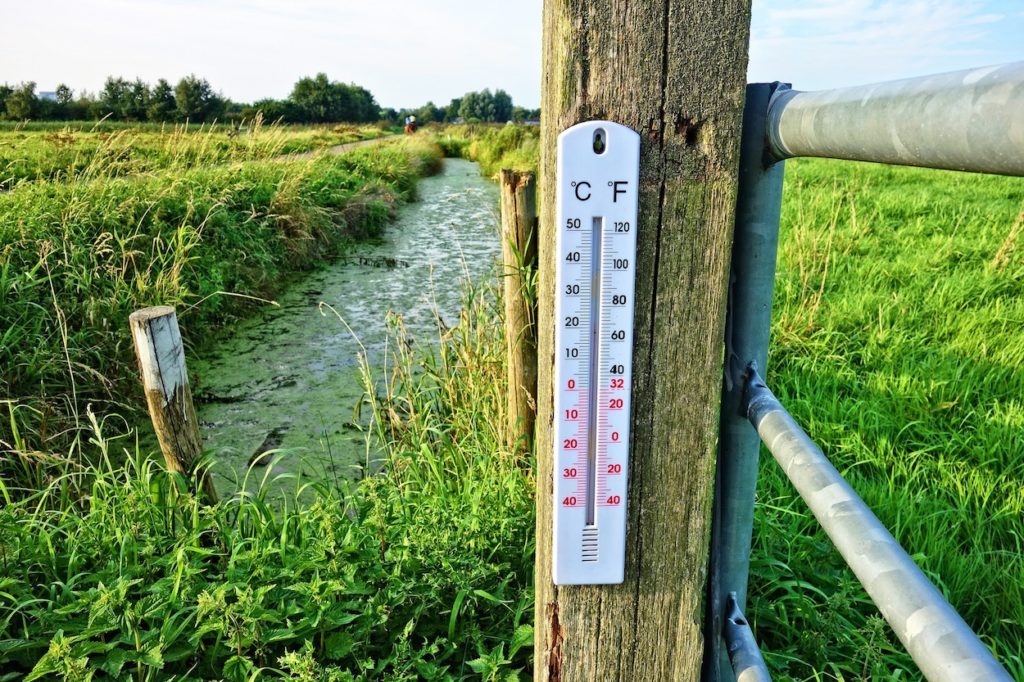
Heart rate is influenced by the nervous (parasympathetic and sympathetic) and endocrine systems, and is subject to external variations. When transitioning from rest to movement and then to exercise, the body’s physiological adaptation processes shift all cardiovascular and respiratory functions from a stable state to one that meets the demands of the exercise level. Thus, as exercise intensity increases, all these processes are elevated to a higher level. Heart rate is, of course, affected.
These physiological phenomena are amplified by various environmental factors, known as exogenous factors. Here, we will focus only on temperature and humidity. However, other exogenous factors can also affect heart rate, such as altitude, for example.
A rise in the outside temperature will cause an increase in the heart rate at rest and during submaximal exercise in order to compensate for the rise in internal temperature. Your horse’s body will activate heat exchange mechanisms. This will help maintain a constant body temperature (37.5°C – 38°C).
In hot weather, the heart rate can increase by 10 to 15 beats per minute, even at rest. This is due to increased blood flow to the skin (cutaneous vasodilation). The body then increases the rate at which it dissipates heat to reduce the heat load.
To pump more blood, the heart increases its output (cardiac output = stroke volume × heart rate) to better supply blood to the skin’s heat-exchange areas. Heat transfer to the outside occurs through several mechanisms, such as sweating or evaporation. Sweating is the most important mechanism for regulating internal temperature. To effectively dissipate heat, this sweat must be able to evaporate.

When humidity is too high, the body’s ability to cool itself through evaporation becomes limited. This is because the air is saturated and can no longer absorb any more moisture. Sweat production increases significantly, causing sweat to run down the body or form a film.
This additional stress (humidity) will increase the body’s need to regulate its internal temperature and intensify cardiovascular and respiratory activity, leading to an increased heart rate.
A period of heavy sweating can lead to dehydration if fluid loss is not regularly replenished.
When these factors occur together (high outdoor temperatures and humidity), the body’s response will be even more pronounced.
Thus, when the body’s equilibrium is disrupted (due to extreme heat combined with physical activity, or heat combined with very intense physical activity), the brain, in order to prevent harm to the body, will prioritize protecting vital functions and reduce the intensity of the exercise and/or cause the exercise to stop.
In hot and/or humid weather, it is therefore difficult to determine during exercise which portion of the heart rate increase is due to increased heat dissipation and which is caused by the intensity of the exercise.
After a strenuous effort, such as jogging up a hill, the heart rate will have a harder time coming down. The same is true during a training session, where, due to accumulated fatigue, the heart rate will tend to remain high even during moderate exercise. In hot weather, horses, like humans, will also have difficulty sustaining repeated periods of intense and maximal exertion.
–> Our tip: Increase the rest period between exercises within the same session. Also, make sure to allow for sufficient rest time after the session. Wait until your horse’s heart rate drops below about 120 bpm.
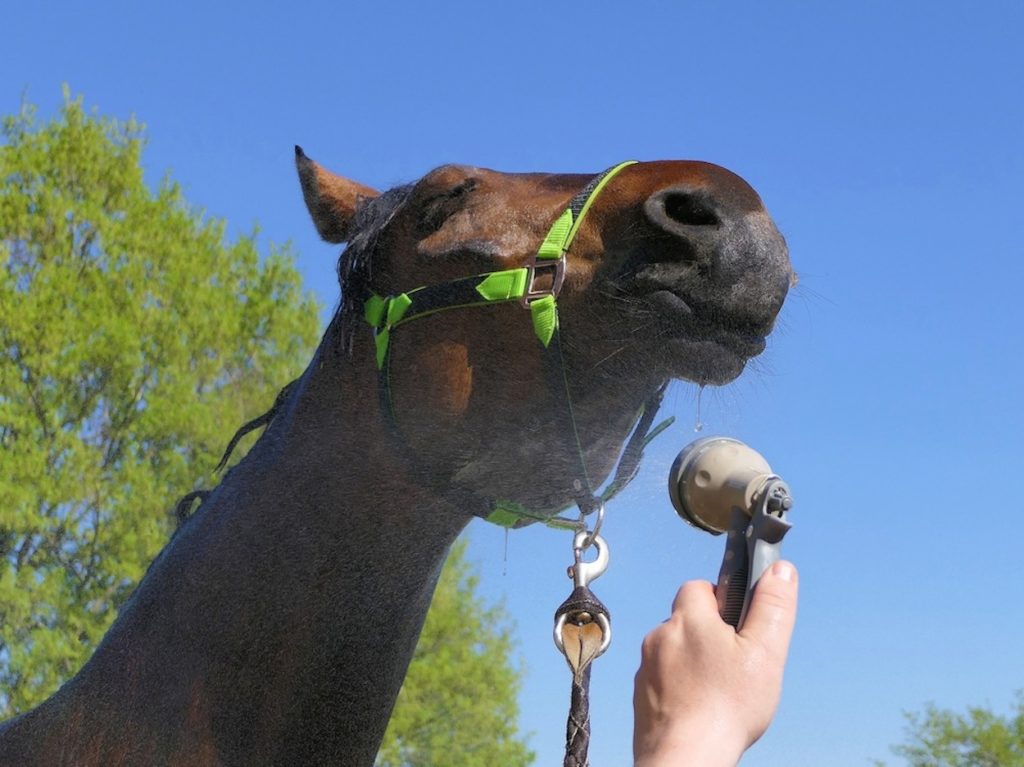
Consider reducing the intensity of your workout—or even canceling it altogether—when temperatures are extremely high (above 35°C) to avoid putting your horse’s and your own health at risk. Heatstroke, for example, can cause severe fatigue that lasts for several days.
In conclusion: it is important to remember that every horse is different and that they do not respond equally to these stresses. Adaptation mechanisms depend on environmental conditions, but also on genetics, physical condition, geographic location, and acclimatization processes (reactions Cialis triggered by more or less prolonged exposure to heat, humidity, or altitude).
 |
Dr. Justine Guillaume Ph.D Equine Nutrition & |
Justine Guillaume has been a rider and horse owner for 20 years. With a doctorate in nutrition for the equine athlete, she aims to combine physiology, nutrition and performance to rationalize and objectify training.
Today, she is executive assistant in charge of scientific and technical affairs at Pommier Nutrition, a manufacturer and distributor of complementary feeds for horses, and has developed an Equine Performance Solutions entity, which provides support in terms of physical preparation for horses.
For her, physical conditioning isn’t just about massages or wellness treatments. It’s much more than that! Above all, it’s about preparing the body to perform while maintaining its physical integrity. It’s a complementary activity that helps the trainer get to know their athletes better and determine whether their training is effective. Above all, it involves assessing the horse and its physical qualities through performance tests that will reveal whether the training is effective and the horse is making progress, or whether, on the contrary, it is overtrained, undertrained…
" The new connected tools allow access to a small part of their 'inside', a mine of information! " - Dr. J. Guillaume
See you soon for a new post!
-The Seaver Team 😉