


Thursday, May 28, 2026
Stepping away from the competition circuit is never an easy decision for a top-level rider. However, after several months of knee pain, Louise Sadran had to put her season on hold to undergo surgery that had become unavoidable.
Between frustration, physical conditioning, and preparing to get back in the saddle, she candidly reflects on this unusual period and shares how she stays motivated despite being away from competitions and horses.
For several months, Louise had been dealing with persistent knee pain.
“I have what’s called ‘wiper syndrome.’ It’s not very common among riders; it’s an injury more commonly seen in people who run a lot or ride bikes.”
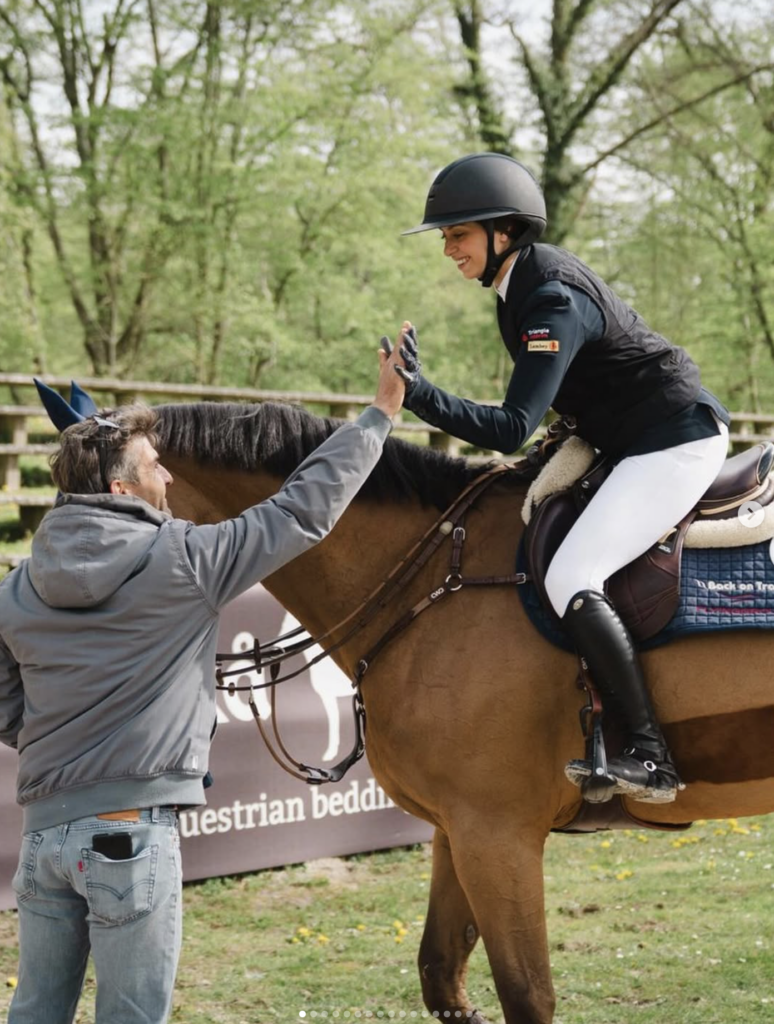
After several rounds of injections and no real improvement, the decision to undergo surgery became inevitable.
“I had reached a point of no return. After two unsuccessful attempts to infiltrate, I had no choice but to go through that phase.”
A difficult decision, but one that is necessary to move forward with confidence.
Unfortunately, this isn't Louise's first injury. In recent years, she has already had several periods of inactivity due to various incidents. These experiences have allowed her to develop a certain routine during her recoveries.
"This must be the fourth time in four years that I've been arrested. So it's true that I've developed a little routine that I follow every time."
Even though she can't climb, she continues to exercise every day.
“I still go to the gym and work out the parts of my body that I can still move.”
Having already had to adjust her training routine due to past collarbone and wrist injuries, Louise is now focusing more on her upper body, abs, and strength training. It’s a way for her to stay in shape and best prepare for her return to the saddle.
For a rider who's used to riding several horses a day, the sudden stop is bound to be hard to cope with.
"I think the biggest challenges during recovery are the frustration of not being able to ride."
Going from an extremely active daily routine to several weeks of forced rest requires a real adjustment, both physically and mentally.
“When you find yourself stuck on the couch for three weeks, it’s hard to accept.”
To keep her spirits up, Louise tries to maintain a strong connection to her usual surroundings.
“I go to the stables a lot to see my horses, and I try to do other things to keep myself busy.”
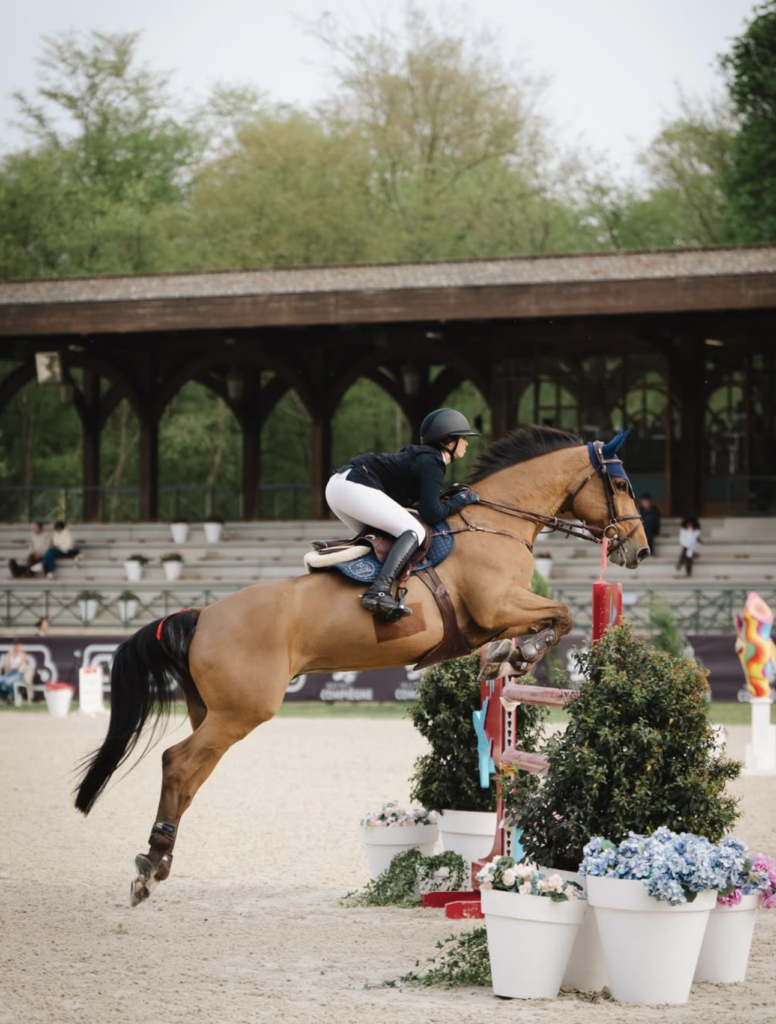
Still a student, she’s also using this time to focus on finishing her studies and preparing for her exams. Competitive exams remain a part of her daily life as she continues to help Jeanne and Antoine prepare for certain test dates.
Even though this is a difficult time, it also encourages us to take a step back and reflect on how we function and on the importance of listening to our bodies.
"For five or six months, I kept going even as the pain got worse. I don't think I did what I should have done."
Looking back, Louise realizes that stopping sooner might have made it possible to avoid the surgery.
“Today, if I could go back six months, I’d take a month off to do what’s necessary instead of being stubborn.”
This is an important realization in a sport where riders often tend to push their limits.
Today, all her energy is focused on getting back in the saddle.
"I go to physical therapy three or four times a week, and I also do a lot of exercises at home."
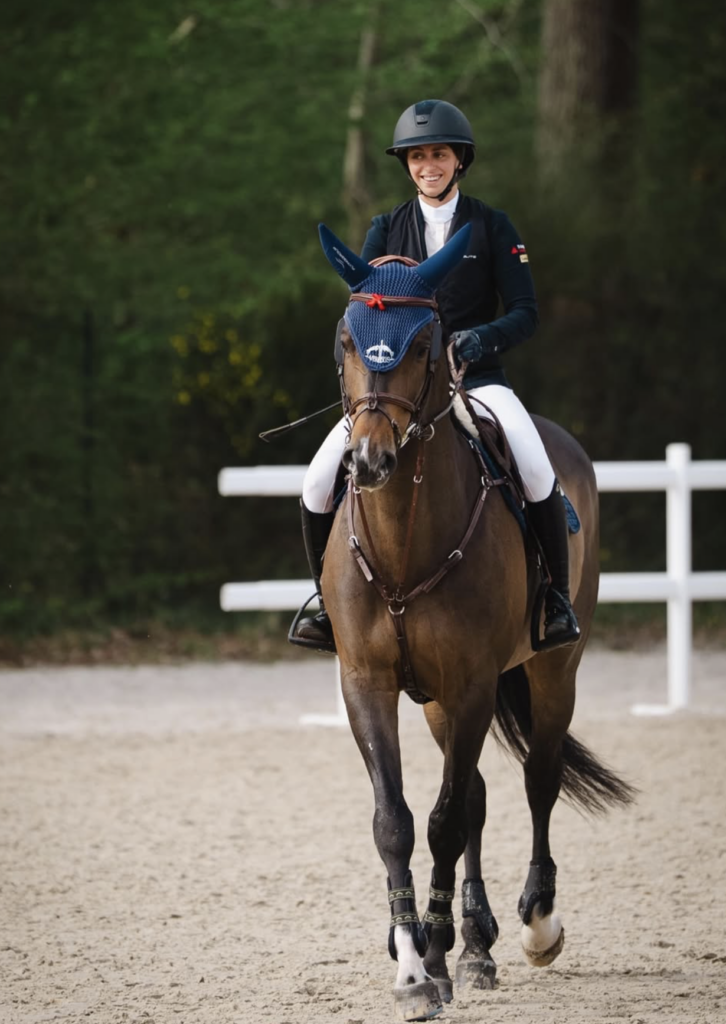
The goal is clear: to quickly regain physical fitness and minimize muscle loss as much as possible.
Mentally, Louise feels at ease. Unlike a fall or an accident, this injury doesn’t leave her with any particular apprehension about returning to competition.
“In this case, there was no accident or fall, so mentally it’s easier.”
His goals remain the same: to resume competition this summer and gradually return to the level he was at before the surgery.
Looking back, what Louise remembers most is the importance of putting things into perspective.
"We need to find other things to do and look on the bright side."
For her, an injury is still a difficult—but temporary—phase.
“When they’re ‘just’ physical injuries, you have to remind yourself that you’re lucky to be able to recover from them and get back to doing what you love.”
A clear-eyed and positive perspective that reminds us that, in elite sports, recovery and listening to your body are also part of performance.
Louise Sadran’s recovery reveals another side of elite sports. It’s a period away from the slopes, but one that’s essential for coming back stronger, more focused, and ready to return to competition under the best possible conditions.
Because in horseback riding, learning to listen to your body is sometimes just as important as learning to perform.
__
At the same time, Seaver is currently launching a major international study on safety in equestrian sports to better understand the realities on the ground and help shape the equipment of the future.
You can participate right here: https://bit.ly/étudesurlasécuritéSeaver